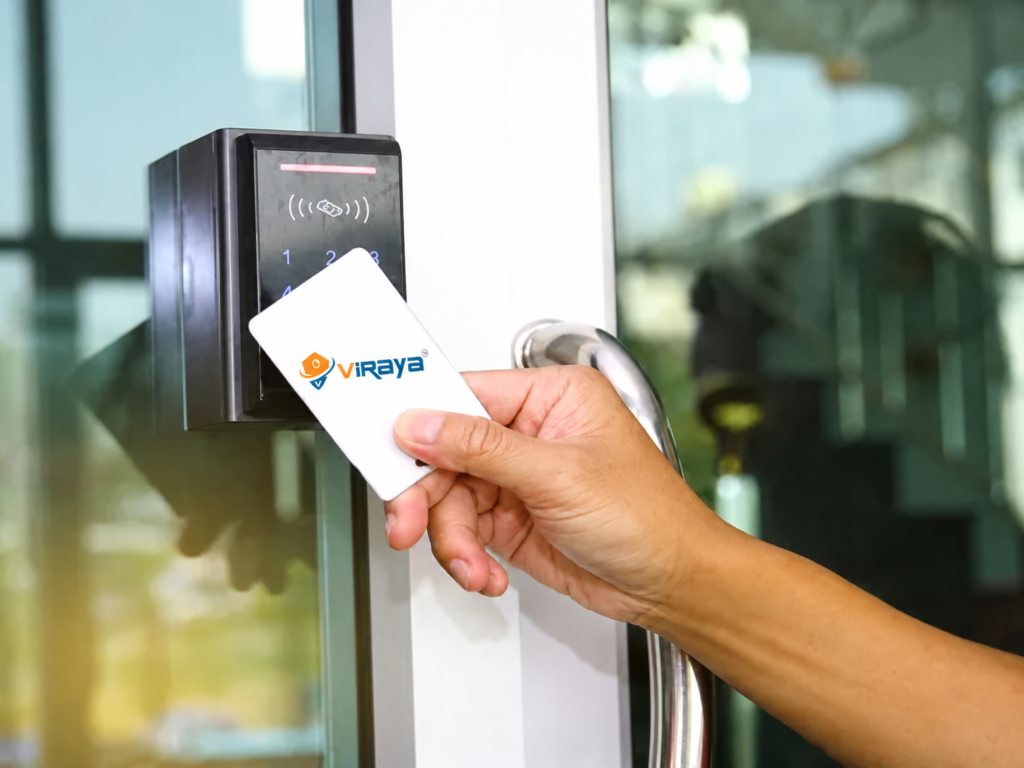
In today’s fast-paced business environment, security is a top priority for organizations of all sizes. An Access Control System is one of the most effective security solutions for controlling and monitoring entry into buildings, offices, factories, warehouses, educational institutions, and residential complexes. By replacing traditional lock-and-key methods, access control systems provide enhanced security, improved accountability, and greater convenience.
What is an Access Control System?
An access control system is a security solution that regulates who can enter or exit a specific area. It uses authentication methods such as key cards, biometric scans, PIN codes, mobile credentials, or facial recognition technology to verify a person’s identity before granting access.
The primary objective of an access control system is to ensure that only authorized individuals can enter restricted areas while preventing unauthorized access.
How Does an Access Control System Work?
An access control system consists of several key components:
- Access Control Panel: The central unit that processes authentication requests.
- Card Readers or Biometric Devices: Used to verify user credentials.
- Electronic Locks: Secure doors and gates.
- Management Software: Allows administrators to monitor and manage access permissions.
- Credentials: Such as RFID cards, fingerprints, facial recognition, PINs, or mobile access.
When a user presents their credential, the system verifies the information and either grants or denies access based on predefined permissions.
Types of Access Control Systems
1. Card-Based Access Control System
Employees or authorized users are provided with RFID or proximity cards to gain entry. This is one of the most widely used systems in corporate offices.
2. Biometric Access Control System
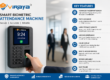
This system uses unique biological characteristics such as fingerprints, facial recognition, iris scans, or palm prints for authentication.
3. PIN-Based Access Control System
Users enter a unique PIN or password to gain access. It is commonly used in small offices and residential properties.
4. Mobile Access Control System
Smartphones act as digital credentials, allowing users to unlock doors through Bluetooth, NFC, or QR code technology.
5. Multi-Factor Authentication Access Control
This advanced solution combines two or more authentication methods, such as a card plus fingerprint verification, for maximum security.
Benefits of Installing an Access Control System
Enhanced Security
An access control system significantly reduces the risk of unauthorized entry and security breaches. Sensitive areas remain protected at all times.
Real-Time Monitoring
Administrators can monitor entry and exit activities in real time and generate detailed access reports.
Improved Employee Management
Businesses can track employee attendance, working hours, and movement within the facility.
Reduced Risk of Lost Keys
Traditional keys can be lost or duplicated. Access control systems eliminate this concern by using digital credentials.
Remote Access Management
Modern cloud-based systems allow administrators to manage access permissions remotely from any location.
Audit Trail and Compliance
The system records every access event, helping organizations maintain security compliance and investigate incidents when required.
Applications of Access Control Systems
Access control solutions are suitable for various industries and environments, including:
- Corporate Offices
- Manufacturing Facilities
- Hospitals and Healthcare Centers
- Educational Institutions
- Government Buildings
- Residential Apartments
- Data Centers
- Warehouses and Logistics Facilities
- Banks and Financial Institutions
These systems help organizations maintain security while ensuring smooth movement of authorized personnel.
Why Businesses Need an Access Control System
As businesses grow, managing security manually becomes increasingly difficult. An access control system provides centralized management of all entry points, allowing organizations to assign specific access levels to employees, visitors, contractors, and vendors.
For example, management personnel may have access to all areas, while general staff can only access designated departments. This level of control minimizes security risks and protects valuable assets.
Features to Look for in an Access Control System
When choosing an access control solution, consider the following features:
- Biometric Authentication
- RFID Card Access
- Facial Recognition Technology
- Mobile Access Support
- Time-Based Access Permissions
- Visitor Management Integration
- Cloud-Based Monitoring
- Real-Time Alerts and Notifications
- Attendance Management Integration
- Detailed Reporting and Analytics
Selecting the right system ensures long-term security and operational efficiency.
Future of Access Control Systems
The future of access control is driven by advanced technologies such as artificial intelligence, cloud computing, mobile credentials, and facial recognition. Modern systems are becoming smarter, more scalable, and easier to manage. Businesses are increasingly adopting touchless access solutions that improve both security and user convenience.
An Access Control System is an essential security investment for organizations seeking to protect their people, assets, and information. Whether you operate a small office, a large corporate facility, a residential complex, or an industrial plant, implementing a modern access control solution can significantly improve security, operational efficiency, and access management.
By choosing a reliable access control system, businesses can ensure secure, controlled, and seamless access while reducing security risks and enhancing overall productivity.
Tags: Access Control System, Biometric Access Control System, Door Access Control System, RFID Access Control, Facial Recognition Access Control, Office Security System, Access Management Solution, Smart Access Control System, Electronic Access Control, Building Security System.